Ansiklopedik Mimarlık Sözlüğü’nde (YEM Yayın, 11. Baskı, Mart 2010) mimari; insanların barınma, savunma, ibadet etme gibi eylemlerini sürdürebilmeleri için belli ölçü ve kurallara uygun olarak mekân ve yapı hazırlama sanatı olarak tanımlanmıştır.
Mimari Nedir?
Mimarlığın konumunu daha iyi belirlemek üzere bazı formüllere de başvurulmuştur. Antikçağ’dan beri süregelen tanımlama dikkate alınarak geliştirilmiş bir formül şöyledir:
Mimarlık = Sağlamlık + Kullanışlılık + Güzellik
Mimarlık = Kullanışlılık + Süreklilik (Kalıcılık) + Güzellik
Mimarlık = İşlev + (Strüktür + Konstrüksiyon) + Sanatsal Değer
Mimarlık = (Bilim + Teknoloji) × Sanat
Görüldüğü gibi eski tarihlerden bugüne kadar sanat sınıflandırmalarının hepsinde “mimarlık” olduğu gibi mimarlığa ilişkin tanımların içinde de hep “sanat” ve “tasarım” vardır. Tasarım söz konusu olduğu için de mimarlık; resimde, heykelde, müzikte olduğu gibi salt sanattan ibaret değil. İçinde işlev var, teknoloji var, bunların sanatla yoğrulması var. Hiç kuşkusuz, estetiğin girdiği her yerde olduğu gibi mimarlıkta da sanat var.
Mimari Nasıl Ortaya Çıkmıştır?
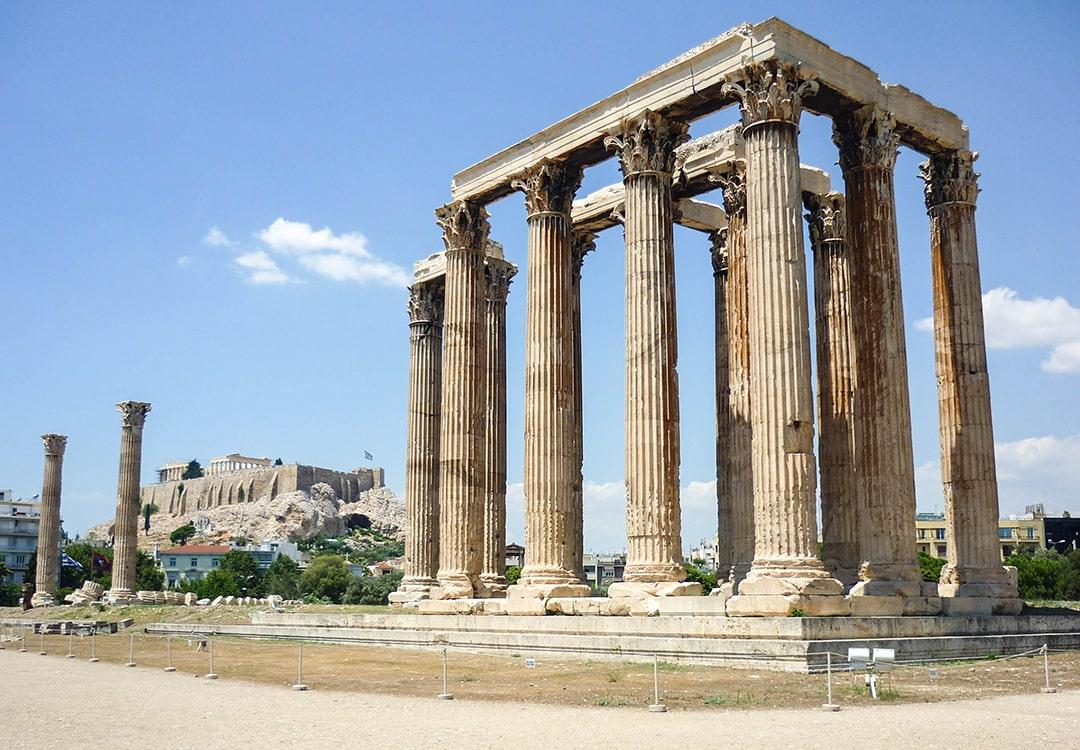
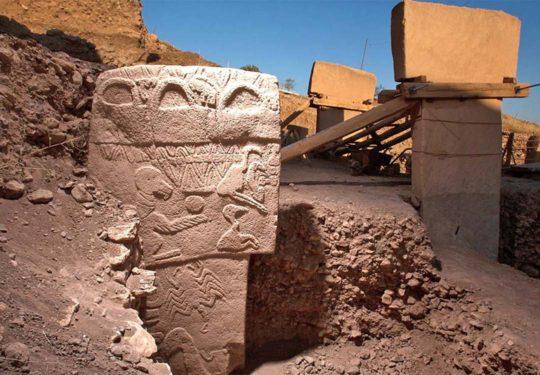
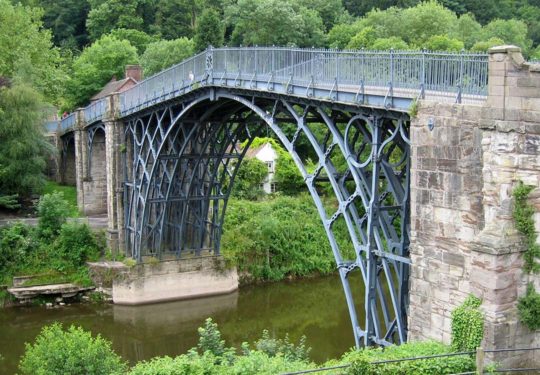
Dünyanın en eski mesleği olarak kabul edilen mimarlık, esasında insanların barınma ihtiyacıyla ortaya çıkmıştır. Mağaralarda yaşayan insanların mimari eserler ortaya koyduklarını söyleyemesek de sanatın hayatlarının bir parçası olduğunu, mağara duvarlarına yapılan çizimlerden anlayabiliriz. İlk mimari kalıntıların ise Cilalı Taş Devri’ne ait olduğu düşünülmektedir. Modern mimari ise sanayi devriminin sonucunda ortaya çıkan cam ve demirin bulunması ile başlamıştır. Bir yapının modern olduğunu, cam ve demirin bir arada kullanılmasından anlayabiliriz. 18. yüzyılın sonlarına doğru yapılmaya başlanan demir köprüler, modern mimarlığın ilk otantik yapıtları olarak bilinir.
Günümüzde Mimari
Günümüzde mimari, modern mimaride kullanılan materyaller ile asırlardan beri kullanılagelen tekniklerin harmanlamasıyla karşımıza çıkmaktadır desek, yanlış olmaz.
Mimari alanına uzak olanlarımız, genellikle ev, ibadethane, kale gibi yapıları mimari ürünler olarak bilse de aslında alan oldukça geniş kapsamlıdır.
Köprü, çeşme, han, hamam, türbe, külliye gibi tarihi yapıların yanında; kafe, restoran, ev, işyeri-ofis, mağaza gibi modern zaman ihtiyaçlarına cevap veren mekanlarda ve hatta peyzaj uygulamalarının yapıldığı her alanda mimari sanatını görmekteyiz.
Coğrafya ve Mimari
“Coğrafya ve mekan kimliktir.”
Yusuf YAVUZ
Yaşanan coğrafyada iklim, yeryüzü şekilleri, toprak türü, bitki örtüsü; yapılarda kullanılan malzemeleri ve şekilleri doğrudan etkilemektedir. Anadolu topraklarında, her bölgenin kendine özgü bir karakteristiği vardır. Güneydoğu’da kerpiç evler yaygınken Karadeniz’de ahşap evler yaygındır. Orta Anadolu’da bozkırın rengi hakimken Bursa ve civarında çini yeşili ve mavisi hakimdir. Bu örnekleri elbette çoğaltabiliriz. Tek tek incelediğimiz zaman coğrafyanın medeniyete, medeniyetin de mimariye olan etkisini görebiliriz.
Günümüz mimarisi, coğrafya-medeniyet-mimari üçgeninde ilerlemektedir. Özellikle insanların tarih bilinci ve sanat zevkinin artmasıyla bu ilişki daha da ön plana çıkmış, nihayet modern mimari ile geleneksel mimari buluşmuştur. Artık çelik konstrüksiyon ile ahşap, tuğla ve taşın iç içe kullanıldığı mimari yapıları görmeye hazır olun.
Mimari Projelerinize Doğal Bir Karakter Kazandırın
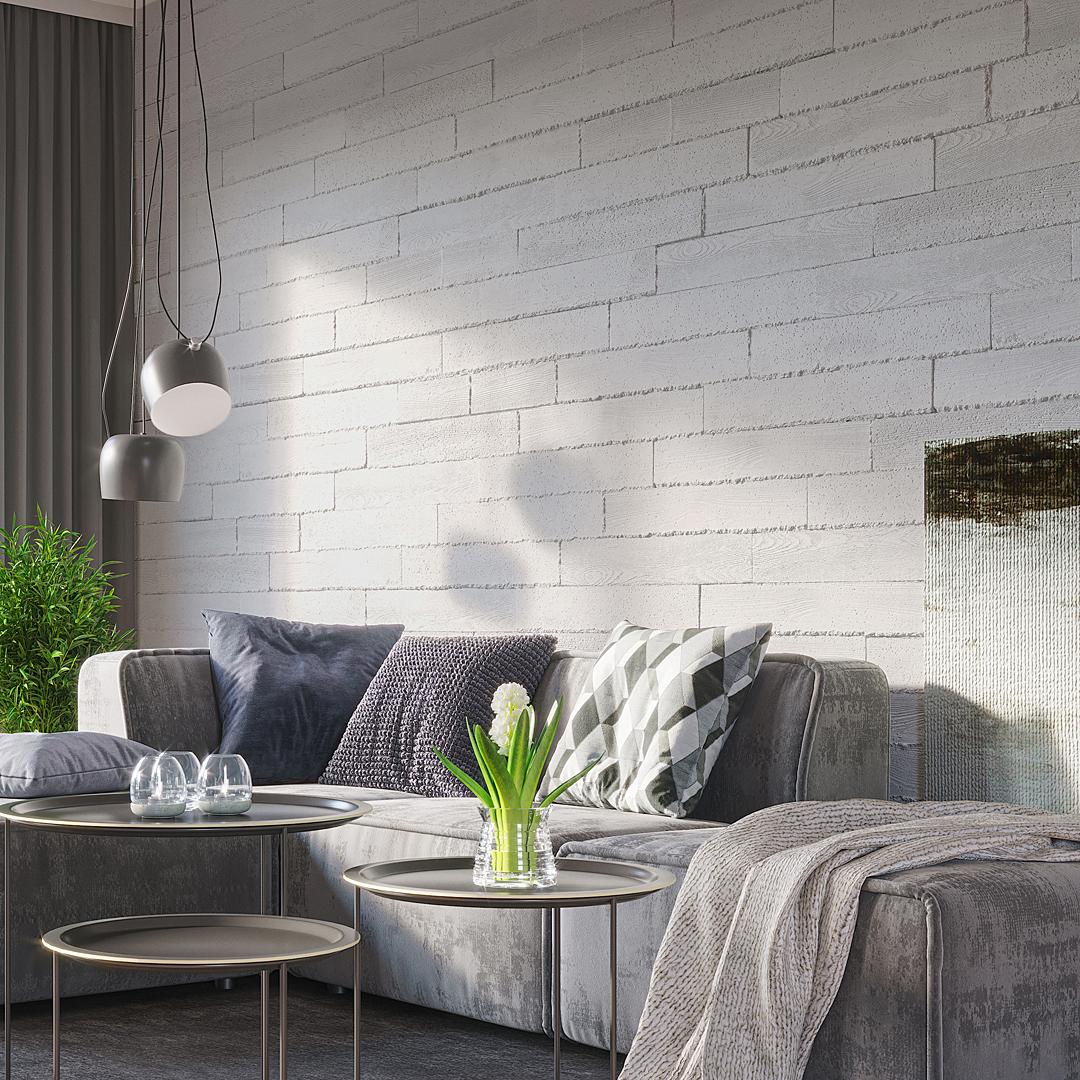
Kültür taşı, kültür tuğlası, dekoratif taş kaplama ve doğal yüzey çözümleriyle mimari projelerinize güçlü, estetik ve zamansız bir görünüm kazandırabilirsiniz.
Bizimle İletişime Geçin